Walk anywhere in central Dublin and you are treading the same ground as centuries of Dubliners before you. The streets, squares and churches that frame the city centre are much more than grand showpieces. They reveal how our city has been continually adapted and repurposed, with each era leaving its mark, often layered one atop the other. This constant transformation makes Dublin’s story unique.
The history begins with the city’s Viking foundations and passes through medieval times, seen today in landmarks like Christ Church Cathedral and St Patrick’s Cathedral. These two iconic churches are among the oldest surviving buildings, standing as reminders of how religious and civic life first took shape here. Fragments of the old City Walls and sections of Dublin Castle add to the medieval picture, with the Castle itself described as a “living building”. It has been changed and adapted for more than a thousand years, witnessing everything from royal ceremonies to political shifts.
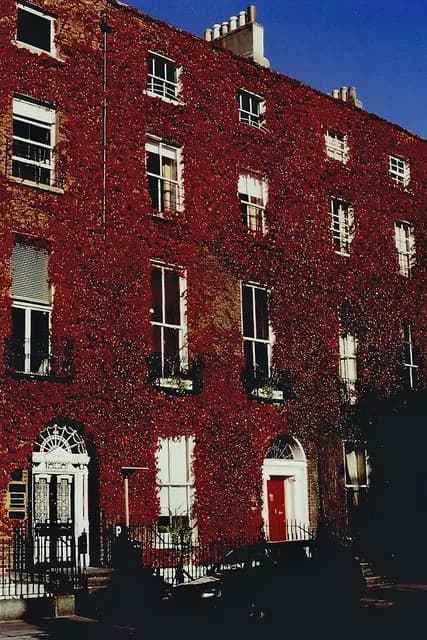
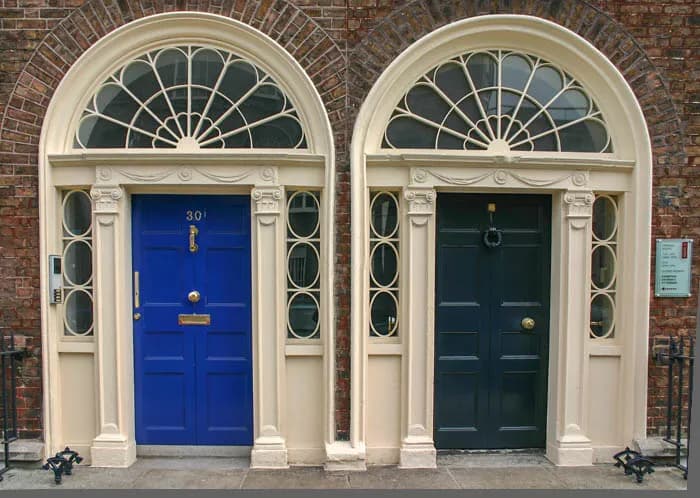
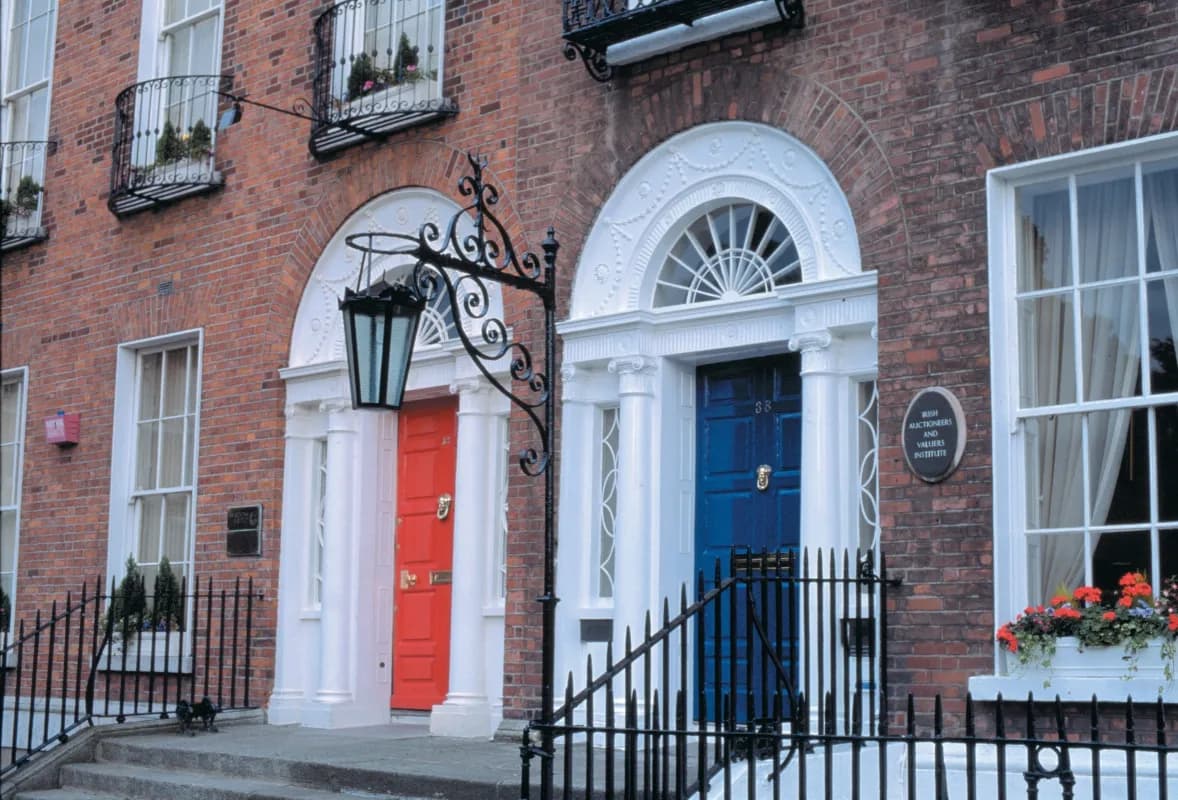
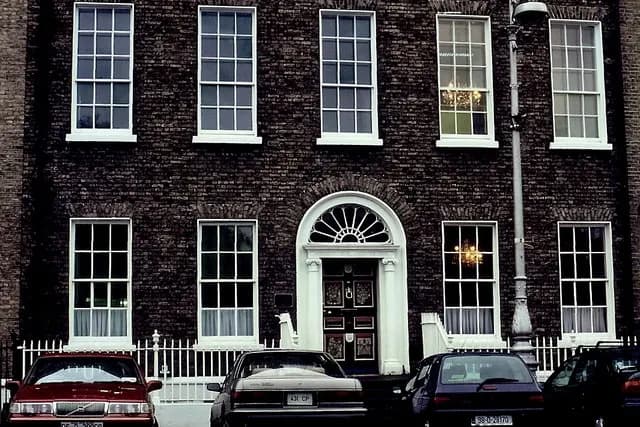
Much of the Dublin we recognise today owes its form to the 17th and 18th centuries. The Georgian era gave rise to the elegant streets, terraces, parks and squares that still define many areas. The classical order of these neighbourhoods was built over older, curving medieval routes, leaving us a kind of architectural palimpsest. These are more than attractive settings. The Dublin Civic Trust highlights how thousands of streets, laneways and bridges created during this period still structure daily routines and help shape local identity. The Custom House on the north bank of the Liffey is a key reminder of the city’s port history and Georgian ambition, its imposing presence designed by James Gandon and completed in 1791.
Another important site is Leinster House, first constructed as a private home for the aristocracy. Since 1922 it has served as the seat of the Irish Parliament, reflecting how grand Georgian spaces have been reworked to serve the needs of the nation. This willingness to reuse and adapt has become a core part of Dublin’s architectural character.
Dublin’s bridges are subtle but important markers in the cityscape. Each river crossing along the Liffey, from the 18th-century Mellows Bridge (the city’s oldest surviving span) to later additions, tells of different chapters in Dublin’s growth. Bridges do more than connect addresses; they link eras and communities, showing how the city keeps moving forward while respecting its past.
Perhaps the clearest evidence of local history can be seen in everyday architecture. The terraced streets, small parks, narrow laneways and old stone setts are every bit as significant as Dublin’s headline monuments. These ordinary features organise neighbourhood life, direct movement, and help nurture a shared sense of place for people throughout the city.
Over the last few decades, there has been a strong commitment to conservation. Since the 1980s, planners have introduced preservation orders for many Georgian neighbourhoods, acknowledging the importance of continuing this architectural story so that all in Dublin can enjoy and contribute to the city’s living history. These decisions continue to influence both the city’s fabric and its sense of community.
When you next cross a bridge, wander a curving laneway or pause in the shadow of a centuries-old cathedral, remember: Dublin’s buildings are telling your story too. Each local resident plays a part in what the city will become as the story continues.