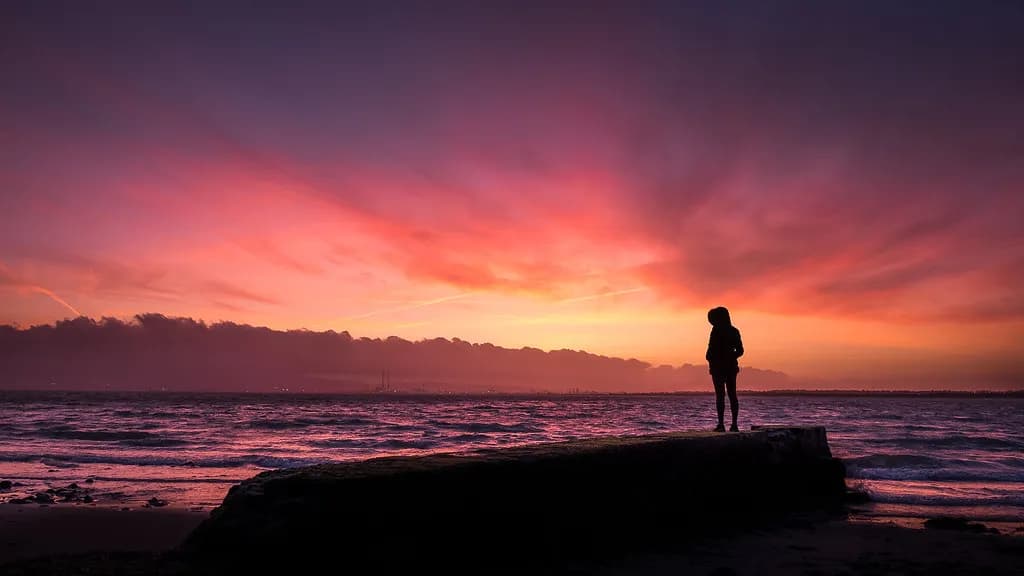
Dublin’s story begins not with marble monuments or literary fame, but with water: dark, tidal, practical water. Long before the city became a capital of wit, rebellion, theatre and books, it gathered itself around a pool where the River Poddle met the Liffey. The Irish called it Dubh Linn, the “black pool”, a name that would travel through language and time to become Dublin.
In 841 AD, Norse raiders and traders established a fortified base, or longphort, near this watery meeting point. It was a place for ships, trade, shelter and power. The Vikings did not arrive as romantic figures from legend, but as hard-headed opportunists of the sea, drawn by Dublin’s geography. From here, longships could move along the Liffey, out into the Irish Sea, and across a wider world of commerce, conflict and settlement.
The Viking City Beneath the Streets
Dublin soon became one of the most important Viking towns in Ireland. Its early prosperity was built on trade, craft, maritime movement and, uncomfortably but truthfully, the trafficking of people as part of the wider Viking economy. This was not yet the Dublin of Georgian doors and literary salons. It was a dense, noisy, practical settlement of timber houses, workshops, fences, hearths and river mud.
The first Viking settlement was disrupted in 902, when Scandinavian settlers were expelled from Dublin. Yet this was not the end of Norse Dublin. They returned in 917, and the city was re-established with greater permanence. Over time, Dublin became a wealthy Hiberno-Norse town, neither simply Irish nor simply Scandinavian, but something more complex: a port where languages, goods, families and customs crossed.
That layered identity still lies beneath the modern city. At Wood Quay, excavations uncovered remarkable evidence of Viking and medieval Dublin, including houses, tools, coins, leatherwork, pottery and weapons. These discoveries showed that the old city was not an abstract chapter in a history book, but a lived-in place of craft, commerce and domestic life. The shape of Viking Dublin still haunts the old street pattern, and the city’s medieval heart still beats around Wood Quay, Dublin Castle and Christ Church.
Christ Church Cathedral itself reaches back to this Hiberno-Norse world. Its earliest foundation is traditionally linked to around 1030, when Dúnán, Dublin’s first bishop, and Sitriuc, Norse king of Dublin, established the original church. In that one fact, much of Dublin’s early character is revealed: Norse, Irish, Christian, urban, outward-looking and already changing.
From Medieval Stronghold to Georgian Capital
The arrival of the Normans in the late 12th century shifted Dublin’s destiny again. The city became a centre of English power in Ireland, its political and administrative importance growing across the medieval and early modern centuries. Fortifications, churches, guilds, markets and narrow streets shaped a city that was often prosperous, often troubled, and always strategically important.
Then came the 18th century, when Dublin was remade in brick, stone and proportion. The medieval city was not erased entirely, but it was overlaid by Georgian ambition. Wide streets, formal squares and elegant terraces gave Dublin a new architectural language. Merrion Square, Fitzwilliam Square and Henrietta Street became stages on which wealth, power and taste could present themselves to the world.
The Custom House, designed by James Gandon, remains one of the great statements of that era. Facing the Liffey with classical confidence, it spoke of commerce, empire and authority. Yet Dublin’s Georgian beauty was never innocent. Behind its fanlights and fine façades lay inequality, colonial power and the exclusions of the Protestant Ascendancy. The city’s elegance was real, but so were the tensions beneath it.
That is one of Dublin’s enduring qualities: it resists simple admiration. Its loveliness often carries a shadow. Its grandest buildings are also records of power. Its streets tell stories of ambition, poverty, rebellion and survival.
A City Written Into the World
If the Vikings gave Dublin its first urban shape, and the Georgians gave it much of its architectural grace, writers gave it a second life in the imagination. Few cities have been so thoroughly written, argued with, mocked, mourned and mythologised.
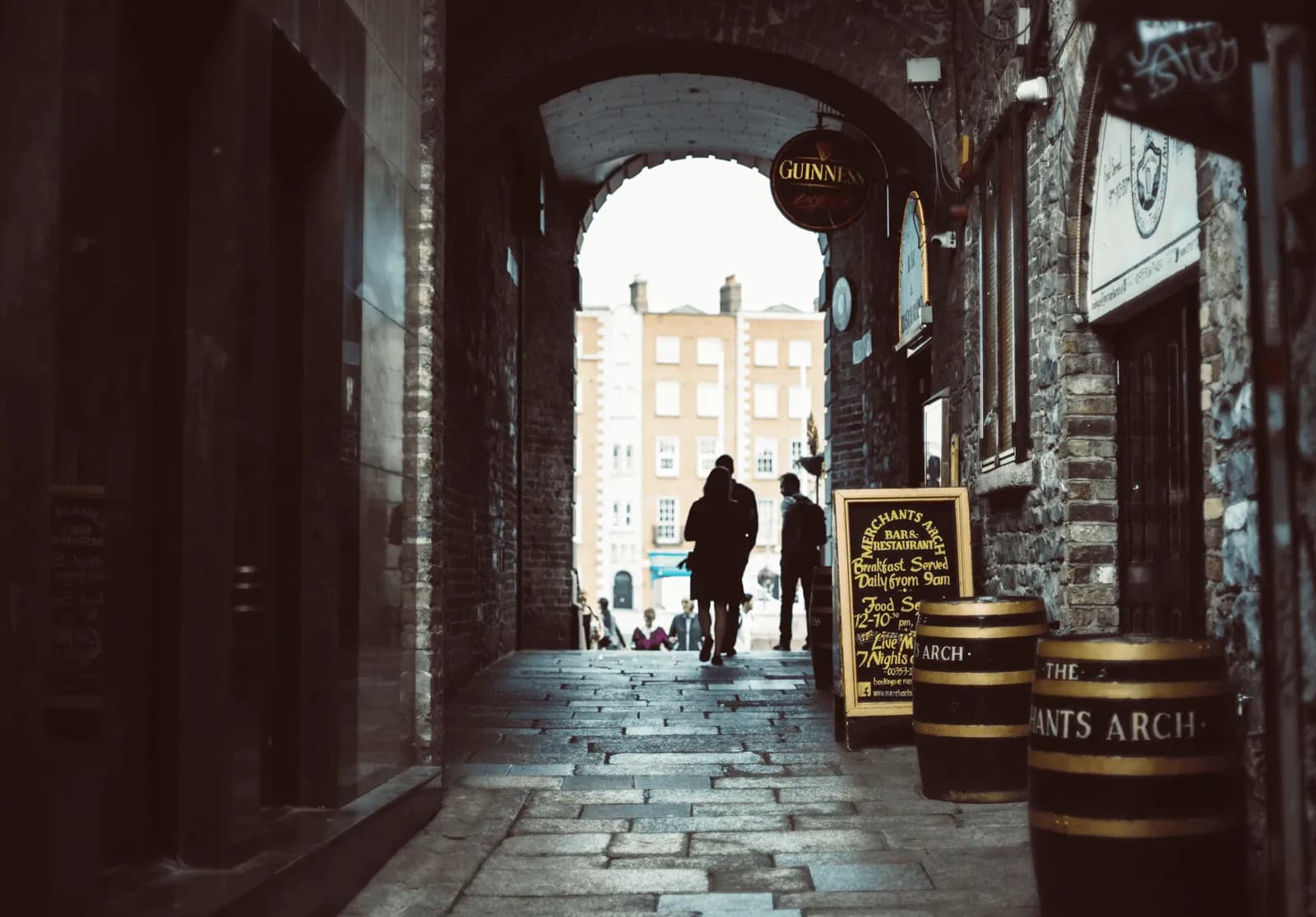
Dublin produced or shaped some of the most important names in world literature: Jonathan Swift, Oscar Wilde, Bram Stoker, W.B. Yeats, James Joyce, Samuel Beckett, Seán O’Casey, Brendan Behan, Maeve Binchy, Roddy Doyle, Anne Enright and many more. It is a city where literature has never belonged only to the library. It lives in pubs, theatres, bookshops, doorways, gossip, argument and performance.
James Joyce turned Dublin into one of literature’s most closely observed cities. In Ulysses, a single day becomes an epic; ordinary streets become mythic ground. Bloomsday, celebrated every June, is not merely a tribute to Joyce but a tribute to the idea that a city’s smallest details, a walk, a conversation, a meal, a passing thought, can contain the whole world.
Oscar Wilde gave Dublin wit sharpened into art. Yeats helped make Ireland’s cultural revival inseparable from its national awakening. The Abbey Theatre, co-founded by Yeats and Lady Gregory, became a stage on which Ireland could examine itself in public. Beckett stripped language down to its barest bones and somehow made silence speak. Stoker sent Dracula out from Dublin into global mythology.
This literary inheritance is not a museum piece. Dublin was named a UNESCO City of Literature in 2010, recognising a tradition that continues through festivals, theatres, libraries, publishers, spoken-word nights and new generations of writers. In Dublin, words are not decoration. They are civic architecture.
The Living City
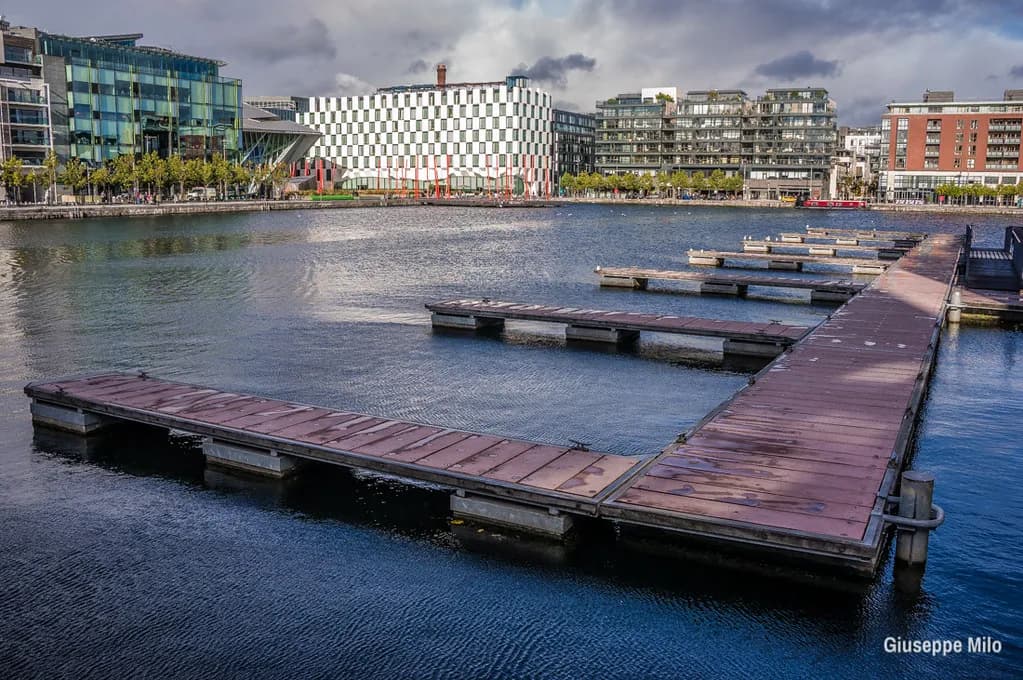
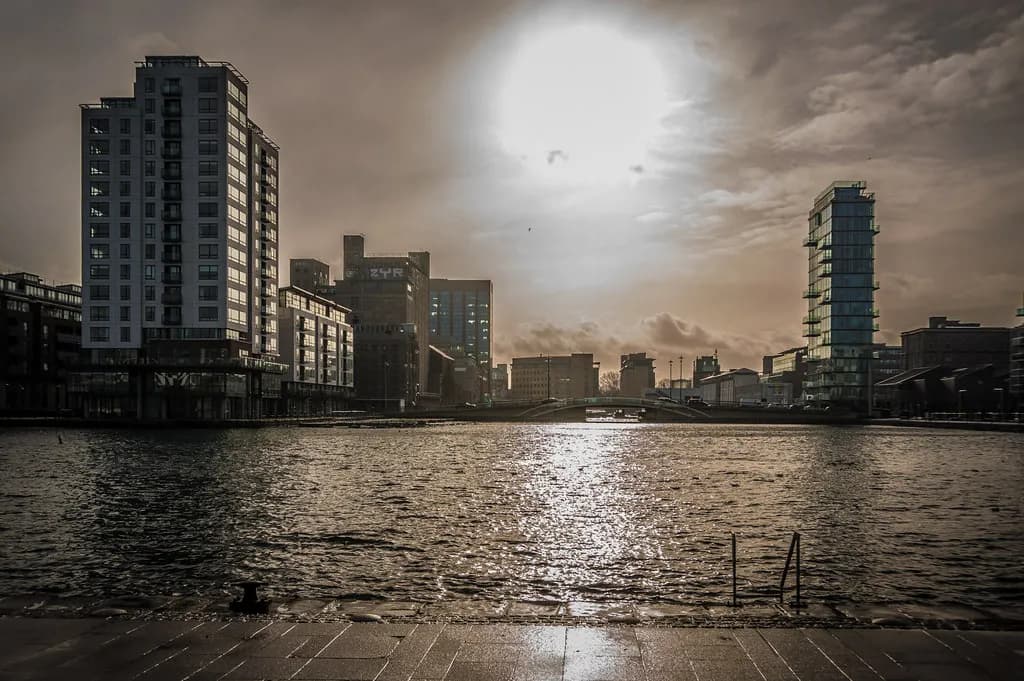
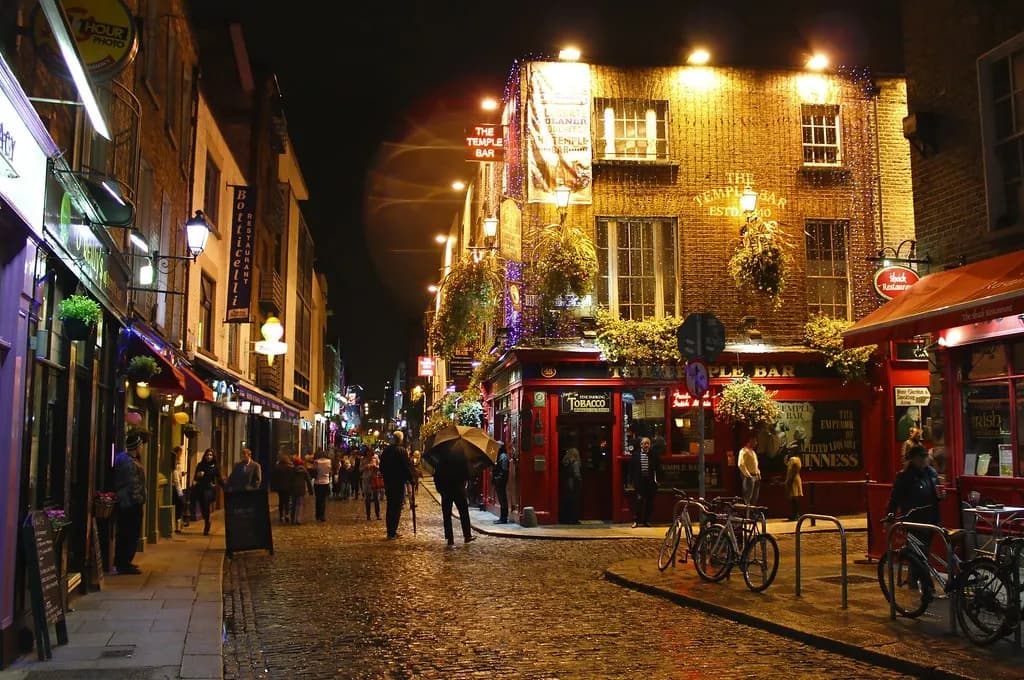
Today’s Dublin is a city of glass offices and old pubs, Georgian squares and crowded quays, tech campuses and medieval remnants, global energy and local memory. It has changed rapidly, sometimes painfully, yet its deeper story remains visible for those who know where to look.
At Dublin Castle, the memory of the black pool survives in the gardens. At Wood Quay, the Viking city still presses up through archaeology and public art. At Christ Church, the Hiberno-Norse past stands beside Norman and later histories. At the National Museum of Ireland, Viking artefacts turn fragments of bone, metal, wood and leather into human evidence. At the Joyce Centre, MoLI and the Abbey Theatre, the written city continues to renew itself.
Dublin’s greatness lies not in one golden age, but in accumulation. It is Viking and medieval, Georgian and revolutionary, colonial and postcolonial, sacred and profane, comic and wounded, intimate and international. It is a city built at the meeting of waters, and it has never stopped being a meeting place: of peoples, powers, languages, arguments and stories.
From the black pool to the printed page, Dublin has always known how to turn place into meaning. Its history is not simply behind it. It rises through the streets every day, in stone, speech, memory and song.